
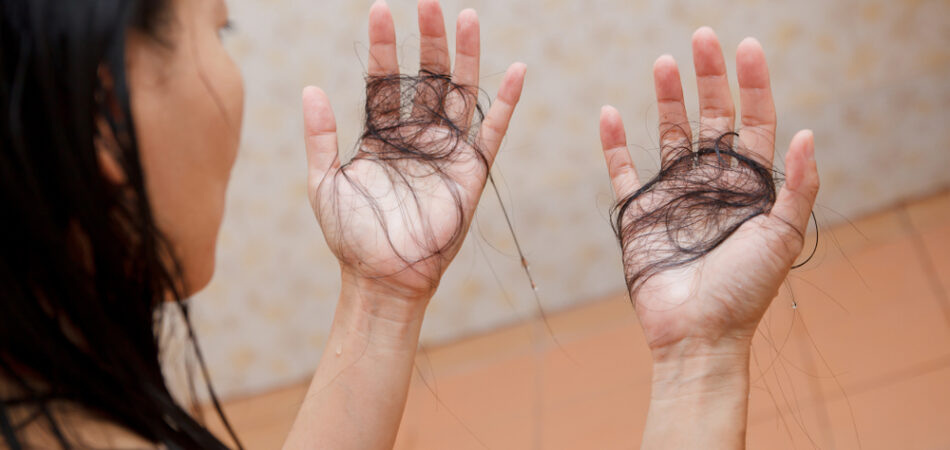
Hair loss is one of the most emotionally charged and widely misunderstood health topics out there. Millions of people across the country experience thinning hair or baldness at some point in their lives, yet the conversation around it remains clouded by outdated beliefs, internet rumors, and well-meaning but inaccurate advice passed down through generations. If you have been searching for effective hair restoration in Bonita Springs or anywhere else, you have probably encountered your fair share of hair loss myths along the way.
Before you spend money on a remedy that does not work, or worse, avoid a solution that could genuinely help, it is worth taking the time to separate fact from fiction.
Myth 1: Hair Loss Only Affects Older Men
One of the most persistent hair loss myths is that thinning hair is strictly a problem for aging men. While it is true that male pattern baldness becomes more common with age, hair loss does not discriminate by gender or age group. Women make up a significant portion of those experiencing hair thinning and loss, with many noticing changes in their twenties and thirties. Conditions like alopecia areata, telogen effluvium, and hormonal imbalances can affect people of virtually any age or background.
For women especially, this myth can be particularly harmful. Because society often frames hair loss as a male issue, women who experience it may feel isolated or embarrassed, sometimes delaying treatment for years. The reality is that effective hair restoration options exist for people across all demographics, and seeking help early often leads to better outcomes. Whether you are in your twenties dealing with stress-related shedding or in your fifties navigating hormonal changes, your experience is valid and treatable.
Myth 2: Shampooing Too Often Causes Baldness
Walk into any conversation about hair loss myths and you will almost certainly hear someone blame frequent shampooing for thinning hair. The idea goes that washing your hair too often strips it of natural oils and weakens the follicles, leading to permanent loss. This is a common hair loss misconception with very little scientific backing.
When you shampoo your hair, you may notice loose strands in the drain. This can feel alarming, but those hairs were already in the shedding phase of the growth cycle. The average person loses between 50 and 100 hairs per day naturally. Washing simply collects what was already coming out. Shampoo does not penetrate deep enough into the scalp to damage the follicle itself, which is where real hair growth originates.
That said, using harsh chemical-laden products excessively can cause breakage and damage to the hair shaft, which is different from true hair loss at the root. Breakage makes hair look thinner over time, but it is a cosmetic issue rather than a medical one. If you are concerned about hair thinning, the solution is not to shower less. It is to consult a professional who can identify the actual cause.
Myth 3: Hair Loss Always Comes From Your Mother’s Side
Genetics absolutely play a role in hair loss, and this is one area where the myths get surprisingly specific. The popular belief is that baldness is inherited exclusively through your mother’s family line. Many people look to their maternal grandfather as a predictor of their own hair future. While the X chromosome does carry a gene associated with androgenetic alopecia, that is far from the whole story.
Hair loss genetics are polygenic, meaning they involve multiple genes from both sides of the family tree. Research has identified dozens of genetic variants that contribute to the likelihood of hair loss, and they come from both parents. So if your father’s side of the family has a history of thinning hair, that is just as relevant as your mother’s side. This particular misconception can give people false reassurance or unnecessary worry depending on which grandparents they are looking at.
Understanding the genetic component is useful for anticipating hair loss and exploring preventative treatments early. If you have a family history on either side, connecting with a specialist in effective hair restoration in Bonita Springs sooner rather than later may help you get ahead of significant thinning.
Myth 4: Wearing Hats and Helmets Makes You Go Bald
This is one of those hair loss myths that has been around for so long that it feels like common knowledge, even though it has no real scientific foundation. The theory seems logical on the surface: hats restrict airflow to the scalp and compress the hair follicles, leading to hair loss. In reality, hair follicles get their oxygen from the bloodstream, not from the air on top of your head.
For a hat to cause hair loss, it would need to be so tight that it cut off blood circulation to the scalp, which would be extraordinarily uncomfortable long before it caused any damage. Normal everyday hat wearing, including sports helmets, beanies, baseball caps, and similar headwear, does not cause follicle damage or accelerate hair loss in any clinically meaningful way.
There is one nuance worth mentioning: a condition called traction alopecia is caused by sustained tension on the hair, typically from tight hairstyles like braids, weaves, or high ponytails. But this is not the same as wearing a hat. The distinction matters because people sometimes blame the wrong habit and continue the actual damaging practice without realizing it.
Myth 5: Over-the-Counter Products Can Fully Reverse Baldness
Walk down any pharmacy aisle and you will find shelves stocked with shampoos, serums, vitamins, and topical treatments all promising to restore your hair. Some of these products contain ingredients with legitimate research behind them, but the marketing language often crosses into exaggeration. The belief that a bottle of biotin gummies or a topical scalp spray can fully reverse significant hair loss is one of the most damaging common hair loss misconceptions, because it leads people to delay real treatment.
Minoxidil, one of the few over-the-counter ingredients with strong clinical evidence, can help slow hair loss and even encourage some regrowth in certain individuals, but it works best in early-stage thinning and requires consistent long-term use. Once follicles have fully miniaturized and stopped producing hair, topical solutions alone are unlikely to bring them back.
This is where professional evaluation becomes essential. Clinics specializing in effective hair restoration in Bonita Springs can assess the stage and pattern of your hair loss, identify the underlying cause, and recommend treatments tailored to your situation. Options may include prescription medications, platelet-rich plasma therapy, low-level laser therapy, or hair transplant procedures depending on the degree of loss and your personal goals.
The point is not that over-the-counter products are useless. Some can be part of a broader treatment plan. The point is that relying on them exclusively, especially when significant hair loss has already occurred, is unlikely to produce the results the packaging promises.
Conclusion
Sorting through the noise around hair loss can be exhausting, especially when myths are repeated so confidently and so often. Understanding the truth behind common hair loss misconceptions is the first step toward making real progress. Hair loss affects people of all ages, genders, and backgrounds, and effective, evidence-based solutions exist for many forms of it. If you are ready to move past the myths and explore what is actually possible, speaking with a qualified professional is always the most reliable place to start.