

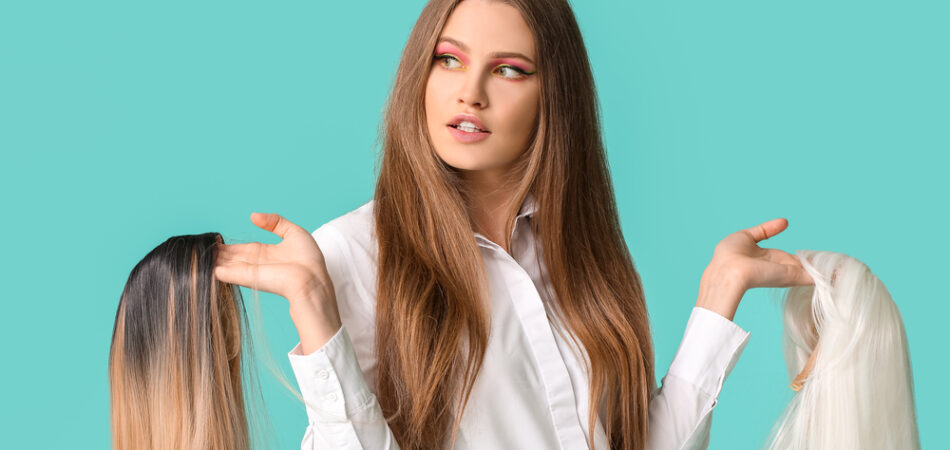
From outdated stereotypes to flat-out false claims, the world of non-surgical hair solutions is riddled with misconceptions that can prevent people from making informed decisions. Whether you are just starting to notice thinning or have been dealing with significant hair loss for years, understanding the facts is the first step toward finding a solution that actually works for you. Today, we are setting the record straight on some of the most persistent hair system myths circulating in FL and beyond.
Myth #1: Non-Surgical Hair Systems Look Fake and Unnatural
This is perhaps the most widespread misconception about hair loss solutions, and it could not be further from the truth. Many people picture the obvious, ill-fitting toupees of decades past and assume that all non-surgical options still look that way. The reality is that modern hair systems have undergone a dramatic transformation in terms of technology, materials, and craftsmanship.
Today’s hair systems are designed with ultra-thin, breathable bases made from materials like Swiss lace and polyurethane skin, which conform naturally to the scalp. The hair used is often 100% human hair, carefully selected and applied strand by strand to mimic the look and feel of natural growth. When properly fitted and styled by an experienced specialist, a high-quality hair system is virtually undetectable, even under close inspection or in bright lighting.
The key factor in achieving a natural appearance is customization. A quality provider will take precise measurements, match your natural hair color and texture, and tailor the hairline to suit your facial features. The days of cookie-cutter, one-size-fits-all solutions are long gone. Non-surgical hair facts support this clearly: with the right system and professional fitting, the results are seamless.
Myth #2: Hair Systems Are High-Maintenance and Inconvenient
Another common misconception about hair loss solutions is that wearing a hair system means committing to an exhausting maintenance routine that takes over your life. People often imagine constant adjustments, frequent salon visits, and an inability to participate in normal activities like swimming, exercising, or sleeping comfortably.
While it is true that hair systems require some care, the reality is far more manageable than most people expect. Routine maintenance typically involves washing the system every one to two weeks, using recommended products to keep the hair soft and the base clean, and scheduling periodic professional check-ins for reattachment or reblending. Most wearers integrate this care seamlessly into their existing grooming habits.
As for activity restrictions, modern attachment methods, including medical-grade adhesives and tape, are designed to hold firmly through sweat, water, and physical activity. Many wearers in FL enjoy swimming at the beach, hitting the gym, and living fully active lifestyles without any issues. Once someone adjusts to their new routine, the system quickly becomes second nature rather than a burden.
Myth #3: Only Older Men Wear Hair Systems
The stereotype that non-surgical hair solutions are exclusively for older men is one of the most limiting and inaccurate hair system myths out there. Hair loss does not discriminate. It affects people of all ages, genders, and backgrounds. In fact, many individuals begin experiencing noticeable thinning in their twenties or thirties, and a growing number of younger adults are turning to non-surgical options as a proactive solution.
Women also make up a significant portion of hair system wearers. Female hair loss, which can be triggered by hormonal changes, postpartum shifts, medical treatments, or genetic factors, is far more common than most people realize. Non-surgical hair solutions offer women a versatile, customizable way to restore fullness and confidence without resorting to invasive procedures.
Beyond age and gender, hair systems are also used by individuals undergoing chemotherapy, those with alopecia, and people who have experienced hair loss due to scalp conditions or injuries. The range of people benefiting from these solutions is far broader and more diverse than the outdated stereotype suggests. Non-surgical hair facts confirm that these systems are a universal tool for addressing hair loss across the full spectrum of life experiences.
Myth #4: Non-Surgical Solutions Are Just a Temporary Fix for People Who Cannot Afford Real Treatments
Some people dismiss hair systems as a last resort, assuming they are simply a stopgap for those who cannot afford surgical options like hair transplants. This reflects a fundamental misunderstanding of what non-surgical solutions offer and why so many people actively choose them over surgical alternatives.
Hair transplant surgery, while effective for some candidates, is not suitable for everyone. Not all individuals have enough donor hair for a successful procedure. Results can take a year or more to fully develop, and multiple sessions are sometimes required. There are also surgical risks, recovery periods, and significant upfront costs to consider. For many people, the investment and the uncertainty simply do not add up.
Non-surgical hair systems, on the other hand, deliver immediate, visible results. There is no waiting period, no recovery time, and no surgical risk. They are also highly adaptable, meaning that as your hair loss progresses or your preferences change, the system can be updated accordingly. This level of flexibility is something that surgical options simply cannot match. Choosing a hair system is not settling. For a large number of people, it is the smarter, more practical, and more immediately satisfying choice. This is one of the most important non-surgical hair facts to internalize when weighing your options.
Myth #5: Wearing a Hair System Will Damage Your Existing Hair and Scalp
A persistent concern among people considering hair systems is that wearing one will somehow accelerate hair loss or damage the scalp. This fear often causes people to delay seeking a solution, which can compound their self-consciousness and frustration over time.
When properly applied and maintained, a hair system poses no threat to your existing hair or scalp health. The adhesives and tapes used by reputable providers are formulated to be gentle on skin, and proper application techniques ensure that no unnecessary tension or stress is placed on remaining hair follicles. In fact, many providers in FL work closely with dermatologists and trichologists to ensure their methods align with best practices for scalp health.
The critical distinction here is professional application versus DIY attempts. Improper application, using the wrong adhesives, or neglecting regular maintenance can cause irritation or buildup. This is why working with a certified, experienced specialist is so important. A trained professional will ensure that both your scalp and your investment are protected at every stage of the process. Misconceptions about hair loss often stem from isolated negative experiences that resulted from poor-quality products or untrained application, not from hair systems themselves.
Conclusion
The landscape of non-surgical hair solutions has evolved enormously, yet outdated hair system myths continue to shape how people think about their options. From concerns about unnatural appearances to fears about damage and maintenance burdens, the misconceptions about hair loss far outpace the reality of what modern systems can offer.
The truth is that non-surgical hair facts paint a very different picture: one of natural-looking, customizable, lifestyle-compatible solutions that work for a wide range of people in FL and across the country. Whether you are a young professional experiencing early thinning, a woman navigating hormonal hair loss, or someone going through medical treatment, there is a non-surgical solution that can restore not just your hair but your confidence.
Before letting a myth keep you from exploring your options, connect with a reputable hair loss specialist who can walk you through what is actually possible. The right information, combined with the right guidance, can make all the difference.