

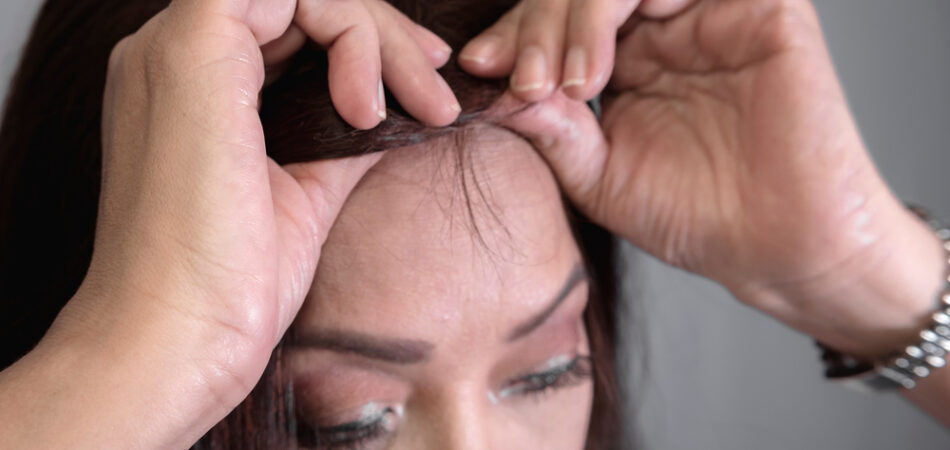
Hair loss is a sensitive and often life-changing experience. Whether caused by genetics, medical conditions, or aging, the emotional impact can be profound. In the search for solutions, many turn to non-surgical hair replacement as a viable option. However, the industry is full of myths that often overshadow the facts, leading to confusion and hesitation. This blog sets the record straight, unraveling the most common misconceptions while offering insight into the reality of modern, factual hair solutions.
Myth 1: Non-Surgical Hair Replacement Looks Fake
One of the most widespread myths about non-surgical hair replacement is that it always looks unnatural or fake. This misconception often stems from outdated methods or poorly executed systems from years past. People envision overly shiny hairpieces that sit awkwardly on the head, clearly distinguishable from natural hair. However, advancements in technology and materials have dramatically transformed the industry.
Modern non-surgical hair replacement systems are crafted with precision. They are made from high-quality human or synthetic hair and integrated into bases that closely mimic the scalp’s texture and color. Skilled professionals custom-fit each system to match the individual’s hair color, density, and even growth patterns. As a result, the hair blends seamlessly and becomes virtually undetectable in daily life.
With proper maintenance and expert application, a non-surgical hair system can look just as natural as a full head of organically grown hair. Today’s factual hair solutions are a far cry from the wigs of yesteryear, offering aesthetic excellence that defies outdated perceptions.
Myth 2: Only Older People Use Non-Surgical Hair Systems
Another common myth suggests that only older individuals, particularly men with advanced baldness, seek non-surgical hair replacement. This assumption is both limiting and inaccurate. Hair loss can affect people of all ages and genders. From young adults dealing with alopecia to cancer survivors recovering from chemotherapy, the need for hair replacement spans a diverse demographic.
Younger clients are increasingly choosing non-surgical options because they offer immediate results without the downtime of surgery. These systems are not limited to addressing age-related hair loss. They can also be used to correct thinning hair, fill in patchy areas, or even enhance natural volume for those without any medical hair loss.
Non-surgical hair replacement is also popular among individuals who simply want to experiment with a new look without committing to permanent changes. Whether for style, confidence, or recovery, factual hair solutions provide a customizable and accessible path to restored appearance for all ages.
Myth 3: Hair Systems Are High Maintenance and Restrictive
Many people believe that non-surgical hair systems are difficult to manage, requiring constant upkeep and severely limiting lifestyle activities. While some level of care is essential, the reality is that these systems are designed to support active, modern lifestyles.
Daily maintenance is minimal and often mirrors the routines followed for natural hair. Cleaning, conditioning, and gentle styling are typically all that is required. Most systems are bonded securely, allowing wearers to sleep, exercise, and swim without concern. Innovations in attachment methods ensure comfort and durability, which means users can lead normal lives without fear of slippage or damage.
Moreover, salons specializing in non-surgical hair replacement often provide maintenance packages or training, empowering clients to handle upkeep confidently. With the right approach, a hair system becomes a natural extension of the wearer’s self-care routine rather than a burden. These are factual hair solutions that cater to real-world needs, not restrictive relics of the past.
Myth 4: Non-Surgical Hair Replacement Is a Temporary Fix
A prevalent belief is that non-surgical solutions are short-lived and not worth the investment. This perception may arise from comparing them to permanent surgical procedures like hair transplants. However, non-surgical systems are built for longevity and flexibility, often proving to be more sustainable over time.
Most high-quality systems can last several months to a year with proper care. Unlike surgical treatments that may take a long time to show results and are not always guaranteed to work, non-surgical hair replacement provides immediate transformation. There is no healing period, no scarring, and no risk of medical complications.
Because the systems are replaceable and adjustable, they can evolve with the wearer’s style and needs. Users are not locked into a single look. They can update their hair’s length, color, or texture at any time, which is particularly appealing for those who value versatility.
Factual hair solutions like these emphasize adaptability and comfort. They offer a reliable alternative that can be as temporary or long-term as the user desires.
Myth 5: Surgical Transplants Are Always Better
Surgical hair restoration is often portrayed as the ultimate solution to hair loss. While it may be effective for some individuals, it is not the best or only choice for everyone. The assumption that surgery is superior disregards the many factors that make non-surgical hair replacement a preferable option.
Surgical procedures require a suitable donor area, are expensive, and involve a recovery period. Not every person is a candidate for transplant surgery due to underlying health issues or the pattern of hair loss. Even when successful, the results can take months to become visible, and additional sessions may be needed for full coverage.
In contrast, non-surgical systems are non-invasive and provide immediate, predictable outcomes. They can cover any degree of hair loss, including full baldness, without depending on donor hair availability. Additionally, they offer reversibility. If a person is unhappy with the look or wants a change, the system can be removed or altered easily.
The decision between surgical and non-surgical solutions should be based on personal needs, preferences, and goals. What matters most is that the chosen method delivers confidence and satisfaction. For many, factual hair solutions in the non-surgical category provide exactly that.
Conclusion
Non-surgical hair replacement is surrounded by outdated myths that often cloud its true potential. These misconceptions can prevent people from exploring a path that might significantly improve their self-esteem and appearance. By understanding the facts and separating them from fiction, individuals are better equipped to make informed choices.
From natural aesthetics to lifestyle compatibility, today’s non-surgical hair systems offer a sophisticated alternative to both wigs and surgery. They serve people of all ages, with various needs and goals, and are crafted to integrate effortlessly into daily life. Maintenance is manageable, results are immediate, and the flexibility is unmatched.
In a world where appearance can affect confidence and opportunities, having access to factual hair solutions is empowering. It is time to retire the myths and embrace the innovation and artistry behind non-surgical hair replacement. The truth is not only more encouraging but also more attainable than ever.