

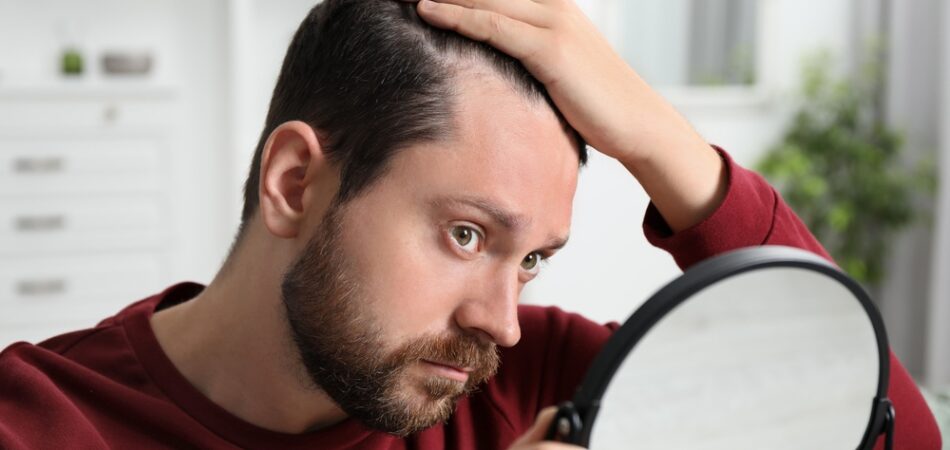
Alopecia is a medical condition that results in hair loss, affecting individuals of all ages and genders. It can manifest in different forms, from patchy hair loss on the scalp to complete loss of body hair. While not life-threatening, alopecia can have profound physical and emotional implications. Understanding the causes, available treatments, and the emotional challenges associated with alopecia is crucial for patients and their support networks. With rising awareness and medical advances, individuals living with alopecia can find both medical solutions and emotional resilience.
What is Alopecia and What Causes It?
Alopecia is a general term for hair loss, but it includes several subtypes, the most common being alopecia areata, androgenetic alopecia, and alopecia totalis. Alopecia areata is an autoimmune condition in which the immune system mistakenly attacks hair follicles, resulting in sudden hair loss in round patches. Androgenetic alopecia, also known as male or female pattern baldness, is hereditary and tends to progress gradually over time. Alopecia totalis and alopecia universalis are more severe, involving complete loss of hair on the scalp or the entire body respectively.
The exact alopecia causes vary depending on the type. In autoimmune forms like alopecia areata, a genetic predisposition combined with environmental triggers may provoke the immune response. Stress, viral infections, and hormonal changes have all been implicated as potential contributors. In contrast, androgenetic alopecia is largely influenced by genetic and hormonal factors, particularly the presence of dihydrotestosterone (DHT), which shrinks hair follicles over time.
Other possible causes of hair loss include nutritional deficiencies, such as low levels of iron or vitamin D, thyroid disorders, and certain medications like chemotherapy drugs. Physical trauma to the hair, including excessive styling, can also lead to traction alopecia, a condition resulting from repeated strain on the hair shafts and follicles. Understanding the underlying cause is key to developing an effective treatment strategy.
Treatment Options for Alopecia
The treatment of alopecia is highly individualized and depends on the specific diagnosis and extent of hair loss. For autoimmune alopecia areata, corticosteroids are often the first line of treatment. These can be administered via topical creams, oral medications, or injections directly into the affected areas. Corticosteroids work by suppressing the immune response and can be effective in promoting hair regrowth, although relapses are common.
Minoxidil is another widely used medication, particularly for androgenetic alopecia. It is available over the counter and applied directly to the scalp to stimulate hair follicles. Although results can vary, many users report slowing of hair loss and some degree of regrowth. Finasteride is a prescription medication taken orally by men with androgenetic alopecia. It works by blocking the conversion of testosterone to DHT, thereby protecting hair follicles from shrinkage.
More advanced options include immunotherapy and biologic drugs, particularly for severe or resistant forms of alopecia. These treatments target specific components of the immune system to reduce inflammation and prevent hair follicle destruction. Hair transplant surgery is also a viable option for some, especially those with androgenetic alopecia who have stable donor areas.
Non-medical approaches, such as wearing wigs or using hair fibers, offer aesthetic solutions for those who prefer to avoid pharmaceutical treatments. Additionally, holistic practices like acupuncture and dietary changes may be explored, though scientific evidence supporting these methods remains limited. Regardless of the treatment path, early intervention typically yields better outcomes.
The Emotional Impact of Hair Loss
The emotional impact of hair loss can be profound and often underestimated. Hair is closely tied to identity, self-image, and cultural norms. Losing it can lead to feelings of vulnerability, diminished self-esteem, and social withdrawal. For many, the psychological effects can be more distressing than the physical symptoms. This is especially true for women and young adults who may feel that their appearance no longer aligns with societal expectations.
Children and adolescents with alopecia areata may experience bullying or exclusion from peers, which can significantly affect their emotional development and self-confidence. Adults, too, may face challenges in their personal and professional lives due to perceived stigma or changes in appearance. Feelings of embarrassment or shame are common, leading some individuals to avoid social situations or cover up their condition.
Anxiety and depression are frequently reported among people with alopecia. The unpredictability of the condition, particularly in cases where hair loss occurs rapidly or in visible areas, contributes to emotional distress. Supportive counseling or therapy can be beneficial, helping individuals process their experiences and develop coping strategies.
Awareness campaigns and representation in media have begun to change public perception, encouraging greater acceptance and understanding. Still, the journey toward emotional healing often requires both internal resilience and external support.
Finding Support: Building a Community Around Alopecia
For many individuals, finding alopecia support is a critical step in managing the emotional and psychological aspects of the condition. Support groups, both in-person and online, provide a safe space for sharing experiences, exchanging information, and offering encouragement. These communities help reduce feelings of isolation and foster a sense of belonging.
Organizations such as the National Alopecia Areata Foundation and Alopecia UK offer educational resources, research updates, and community events. Participating in these networks can empower individuals with knowledge and a proactive mindset. Moreover, connecting with others who have gone through similar challenges can be deeply validating and healing.
Family and friends also play an essential role. Open conversations about alopecia and its impact can lead to better understanding and support within personal relationships. Schools and workplaces can contribute by fostering inclusive environments and educating others about the condition.
In some cases, individuals find strength through advocacy or creative expression. Sharing personal stories, participating in awareness campaigns, or even starting social media pages can serve as outlets for empowerment. The act of turning adversity into purpose can be a transformative experience for many.
Coping Strategies and Long-Term Outlook
Living with alopecia is a journey that often includes both setbacks and breakthroughs. Developing effective coping strategies is key to maintaining mental well-being and quality of life. Mindfulness practices, such as meditation or journaling, can help individuals manage stress and maintain a positive outlook. Physical activities like yoga or walking can also boost mood and overall health.
Setting realistic expectations for treatment outcomes is important. While some individuals may experience full regrowth, others may face chronic or recurrent hair loss. Understanding the course of the condition and having a plan in place can reduce anxiety and uncertainty.
Acceptance is a powerful component of the healing process. For many, the shift from viewing alopecia as a problem to be fixed to a trait to be embraced marks a turning point. This may involve redefining beauty standards, exploring new styles, or choosing to go bald confidently.
Long-term, the outlook for individuals with alopecia continues to improve with advances in research and increased awareness. New treatments, particularly those targeting immune pathways, show promise for more effective and sustained results. As society becomes more inclusive, people living with alopecia are finding more visibility and validation than ever before.
Conclusion
Alopecia is a complex condition that touches many aspects of a person’s life. While the physical manifestation of hair loss is the most visible sign, the deeper effects lie in the emotional challenges and the journey toward self-acceptance. Understanding alopecia causes, exploring treatment options, and acknowledging the emotional impact of hair loss are essential steps in addressing the condition holistically. With growing resources, supportive communities, and advancements in medical science, individuals facing alopecia are no longer alone. Empowerment comes from knowledge, connection, and embracing oneself beyond appearances.